The Internal Grant Agency (IGA) is the faculty’s system of internal grant support through which the Faculty of Forestry and Wood Technology of Mendel University in Brno (FFWT MENDELU) supports and funds student research and development projects within the framework of institutional support.
Internal Grant Agency Grant Competition
The LDF Internal Grant Agency Grant Competition for 2027 has been announced!
Grant applications may be submitted from 1 September 2026 to 13 October 2026.
The call documentation is available here.
The internal grant competition is conducted in accordance with Rector’s Directive No. 16/2026, “Principles of the Student Internal Grant Competition at Mendel University in Brno” and is announced in the following programmes within the faculty :
- Individual student project –a one-year project intended to support scientific research and innovation activities as part of doctoral dissertations, or other scientific research and innovation activities carried out by PhD students at the FFWT MENDELU. The project guarantor is an academic worker. Co-workers on an individual student project can be students in a study programme at FFWT MENDELU, or academic or scientific-research workers at MENDELU. A doctoral student may act as coordinator of only one Individual Student Project.
- Student team project – a three-year project intended to support conceptual research focusing on interdisciplinary cooperation within the FFWT MENDELU. The proposer is an academic worker at FFWT MENDELU with up to eight years of research experience since obtaining their doctoral degree (PhD). Project team members can be students in study programmes at FFWT MENDELU and academic or scientific-research workers at MENDELU who cooperate to implement a common research theme. The project team must include at least one student of the master study programme. An academic worker may submit only one team-based student project
SilvaNet – WoodNet Conference
SilvaNet – WoodNet is a student scientific conference organised by the Internal Grant Agency (IGA) of FFWT MENDELU. The conference offers students an opportunity to present and discuss the results of their creative, scientific, and research activities, particularly those carried out within IGA projects, in the presence of academic staff or an expert panel. It is held annually and the official language is English.
27. 11. 2026 – Conference 2027
Contact:
Examples of IGA projects:
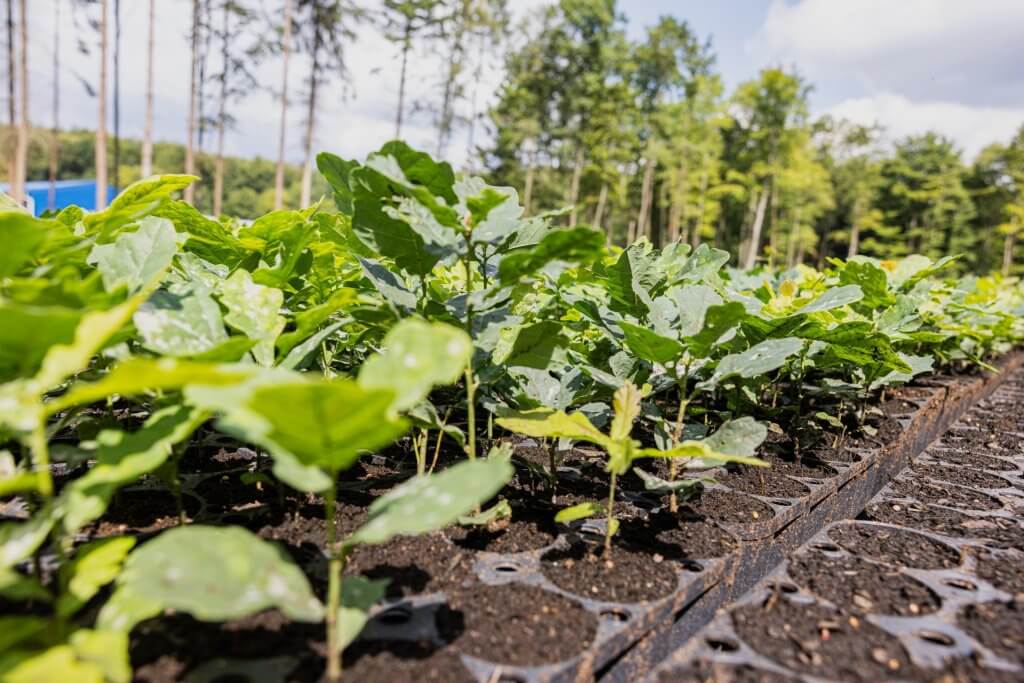
Beech (Fagus sylvatica) and oak (Quercus robur, Q. petraea) are among the most important forest tree species in Central Europe. Yet, their seedlings face high mortality in nurseries due to fungal pathogens. This project investigates the potential of biological plant protection products, especially those based on mycoparasitic fungi and those that improve seed and seedling vitality (biostimulants), to enhance seedling survival, growth, and vitality. Seeds and seedlings are treated with selected biocontrol agents and compared with fungicide-treated and untreated controls. Morphological traits (e.g., leaf area, biomass), physiological parameters (e.g., photosynthesis, water potential, chlorophyll fluorescence), and health status are monitored under nursery and laboratory conditions. Fungal pathogens are isolated and identified using microscopy and DNA barcoding. The research focuses on the effects of biological treatments on damping-off, germination, emergence, and seedling development. The project also evaluates direct seed application as a potential alternative to biological and mainly fungicide sprays during emergence. The project contributes to identifying effective biological alternatives to chemical fungicides, supporting sustainable forest nursery practices and improved seedling quality. The research also provides insights into seedlings’ physiological and health responses to biocontrol treatments and supports the development of environmentally friendly management strategies. Ultimately, the project contributes to reducing chemical inputs in forestry and improving the resilience of young trees under changing environmental conditions.
Coordinator: Ing. Marie Matoušková, Ph.D.,Department of Forest Botany, Dendrology and Geobiocoenology
Climate change is associated with rising air temperatures, shifts in the distribution of annual precipitation (including longer growing-season droughts), and more intense rainfall events. These changes affect the growing conditions of tree species in Europe and the stability and functioning of forest ecosystems. Water availability and the water regime play an important role in tree growth, while most tree species are sensitive to drought to some extent. Spruce is among the most drought-sensitive species and is increasingly being replaced by other tree species. In the context of changing environmental conditions, oak and beech appear to be suitable species, with fir representing one of the potential species for mixtures with them. The project investigates rainfall partitioning and water availability in stands of different tree species. It assesses the amount of rainfall received by selected species in monocultures and the proportion that infiltrates into the soil. Differences in rainfall input and infiltration between monocultures and mixed stands are evaluated, as well as differences between young and older stands. The research also examines suitable allometric relationships for estimating rainfall input components for the selected species and assesses the role of suppressed trees within the stand.
Coordinator: Ing. Jiří Kadlec, Ph.D., Department of Silviculture
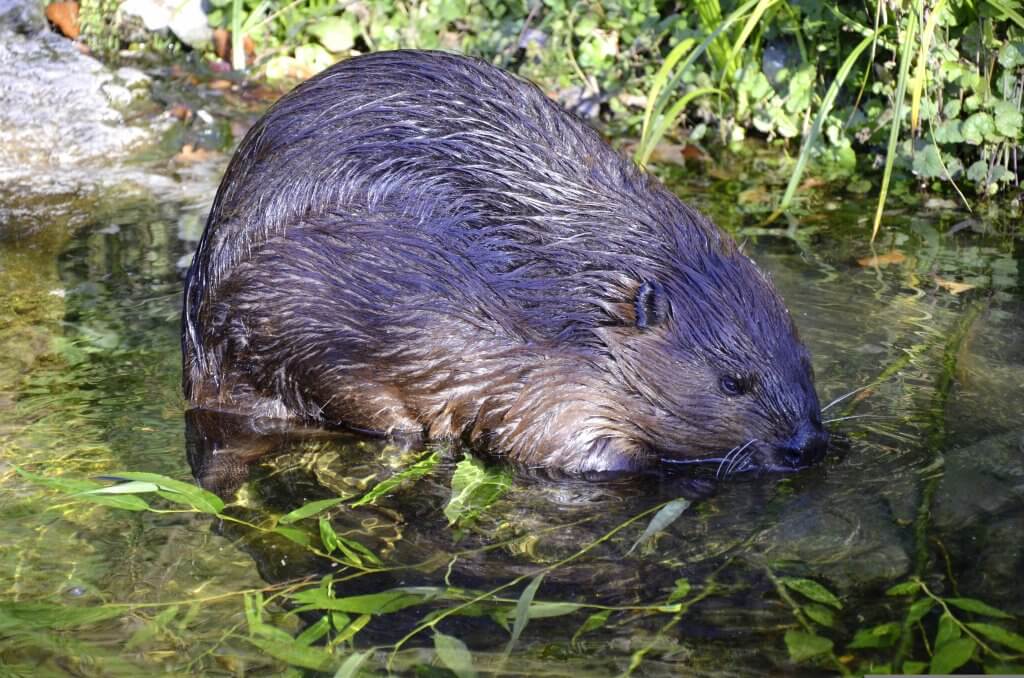
The project investigates the ecology of the Eurasian beaver (Castor fiber). It provides a scientific basis for sustainable and ethically acceptable management of this key yet conflict-prone species in the cultural landscape of the Czech Republic. The beaver has become an important element of riverine and wetland ecosystems, contributing to the restoration of natural hydrological processes and biodiversity. However, its activities also cause damage to forest and non-forest vegetation, crops, and water management structures, creating a need for effective management. Balancing protection and regulation requires a deeper understanding of the species’ feeding ecology, spatial behaviour, and population dynamics across different landscapes. The project focuses on four main areas: evaluating the food potential and nutritional value of woody plants, analysing seasonal diet variability and applying optimal foraging theory in agricultural environments, monitoring spatial behaviour under different climatic conditions, and assessing the impact of long-term hunting management on population activity. Field monitoring, molecular diet analyses, telemetry, and geoinformation modelling are combined to provide a comprehensive understanding of beaver ecology in the modern landscape. The interdisciplinary research integrates expertise in zoology, wildlife management, climatology, forestry, geoinformatics, and molecular biology. The results contribute to a better understanding of beaver ecology and provide a basis for predicting beaver occurrence, identifying conflict-prone areas, and formulating recommendations for adaptive management, thereby supporting the reduction of human–beaver conflicts and the sustainable coexistence of this species with human society in Central Europe.
Coordinator: RNDr. Ondřej Mikulka, Ph.D., Department of Forest Protection and Wildlife Management
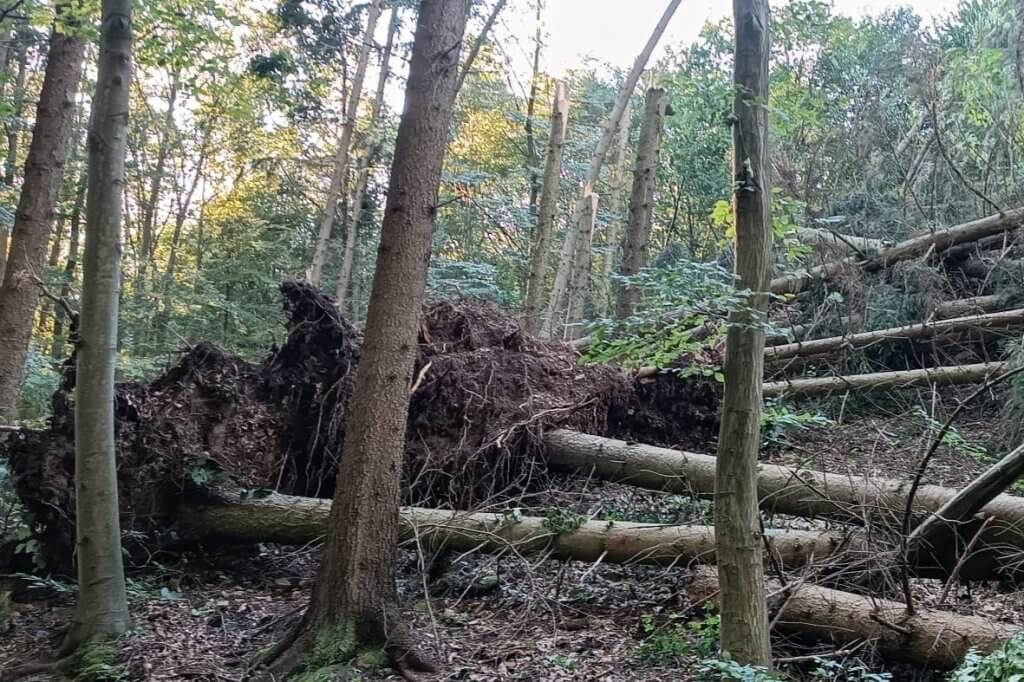
Windstorms significantly impact forest ecosystems in Central and Eastern Europe, shaping their structure and composition. Salvage logging, often carried out after disturbances, can negatively affect biodiversity, soil health, and long-term ecosystem recovery. Retaining deadwood and other “biological legacies” supports soil processes, microbial and arthropod communities, nutrient cycling, and forest regeneration, whereas salvage logging can disrupt these ecosystem functions. The project investigates the ecological consequences of windthrows and different post-disturbance management approaches, focusing on their implications for sustainable forest management and habitat quality. The storm in June 2024 felled 34,000 m³ of timber in the University Forest Enterprise Masaryk Forest, providing an opportunity for scientific study. Three large windthrow gaps were selected, and four permanently marked 50 × 50 m plots were established at each site, representing the treatments “No intervention”, “Retained residues”, “Clearance”, and “Reference” (undisturbed). The research monitors carbon stocks, microclimate, fungal, arthropod, and plant biodiversity, and tree regeneration. The research uses extensive soil sampling, GPS tracking, drone imagery, and continuous monitoring to assess how different levels of salvage logging affect soil health, erosion, and ecosystem recovery. The research focuses on mapping machine traffic during salvage logging, analysing abiotic microclimatic factors, monitoring natural regeneration and soil fungal and arthropod communities, and evaluating management approaches for biological legacies. The interdisciplinary approach supports assessing the ecological impacts of different post-disturbance management practices and their implications for forest ecosystem recovery.
Coordinator: DI Dr. Marian Schönauer, Department of Forest Protection and Wildlife Management
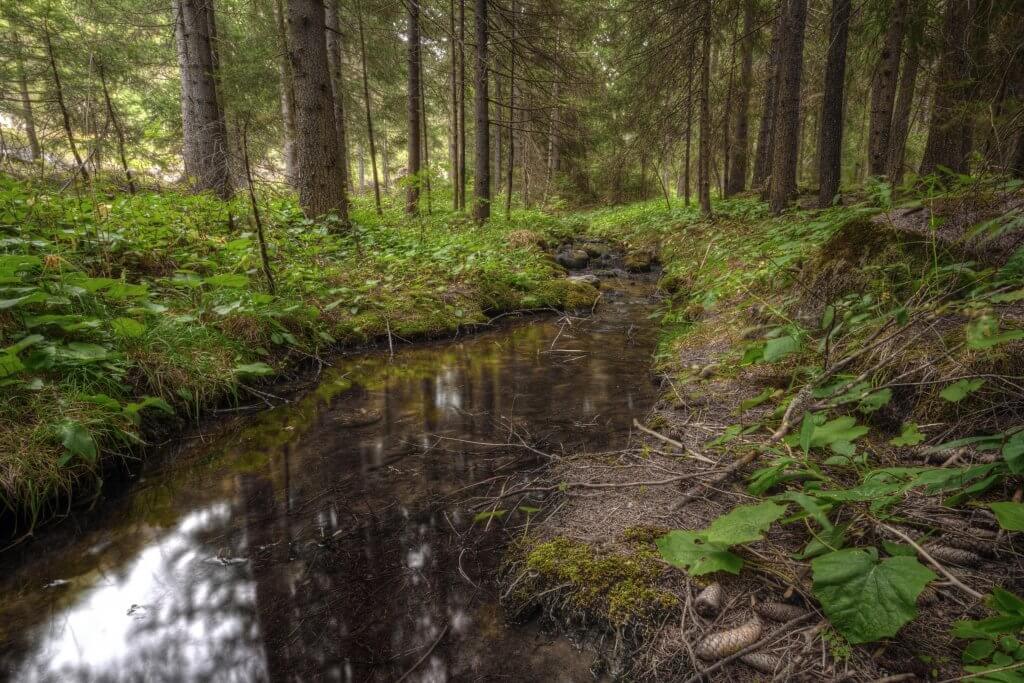
The project investigates how restoration measures in headwater areas affect the water regime of the surrounding landscape, including areas beyond the stream channel. Particular attention is given to the relationship between restoration measures and changes in water levels within the stream bed, which may influence perceptions of restoration effectiveness and feasibility. The research includes comprehensive identification and characterisation of soil types and subtypes and description of their basic properties as a baseline soil inventory. The research evaluates changes in soil water regimes and soil dynamics by comparing conditions before and after restoration. The research also addresses early soil organic matter transformation processes and carbon sequestration potential before restoration and during the first years following its implementation. In addition, the study assesses the effects of restoration on soil biodiversity and the overall influence of restoration measures on the water regime.
Coordinator: Ing. Marie Balková, Ph.D., Department of Geology and Soil Science