Biodiversity helps grasslands stay productive during extreme drought
19. 8. 2026
Preserving biodiversity could become one of the most effective natural ways to protect ecosystem productivity as climate change brings more frequent and prolonged droughts. The findings, published in Nature Ecology & Evolution, provide new evidence that biodiversity helps ecosystems better withstand climate extremes. The study was co-authored by Prof. Douglas Godbold and Assoc. Prof. Boris Rewald from the Department of Forest Protection and Wildlife Management, Faculty of Forestry and Wood Technology, MENDELU.
The researchers analysed data from 75 long-term biodiversity experiments, including 51 grassland and 24 forest experiments. By combining ecological observations with long-term climate records, they investigated how plant diversity affects ecosystem productivity during droughts and heatwaves. Unlike previous studies, this research identifies where biodiversity becomes most important as climate extremes become more frequent.
“Our results show that biodiversity is especially valuable where drought stress is greatest. In species-rich grasslands, different plants complement one another in the way they use water and other resources, helping ecosystems continue functioning even during severe drought. As extreme weather events become more common with climate change, conserving biodiversity is important not only for protecting nature but also for maintaining healthy and productive ecosystems that people depend on.”, explained Douglas Godbold.
The study found that biodiversity had the strongest positive effect in grasslands experiencing prolonged drought. Different plant species use water and other resources in different ways, allowing the whole plant community to remain productive even under severe water stress. In forests, however, biodiversity had only a limited effect under the same conditions.
“Our work shows which biodiversity most strongly helps ecosystems to withstand climate change. This knowledge can help guide future conservation and ecosystem restoration efforts. Protecting and restoring species-rich grasslands, particularly in drier regions, could be one of the most effective nature-based approaches for helping ecosystems adapt to a changing climate.”, said Boris Rewald.
The study combined data collected over periods ranging from two to 23 years. The grassland sites did not fully represent the driest grasslands and were concentrated mainly in Europe and North America, while Asian grasslands, tropical grasslands, dry tropical forests and Southern Hemisphere systems were only sparsely represented.
Biodiversity should be a key part of climate adaptation strategies. The study shows where biodiversity provides the greatest benefits. Protecting and restoring species-rich grasslands, especially in regions where drought is becoming more severe, could help maintain ecosystem productivity and resilience as the impact of climate change increases. In forests, on the other hand, the benefits of biodiversity were much weaker. The authors caution that more long-term experiments are needed before firmer conclusions can be drawn.
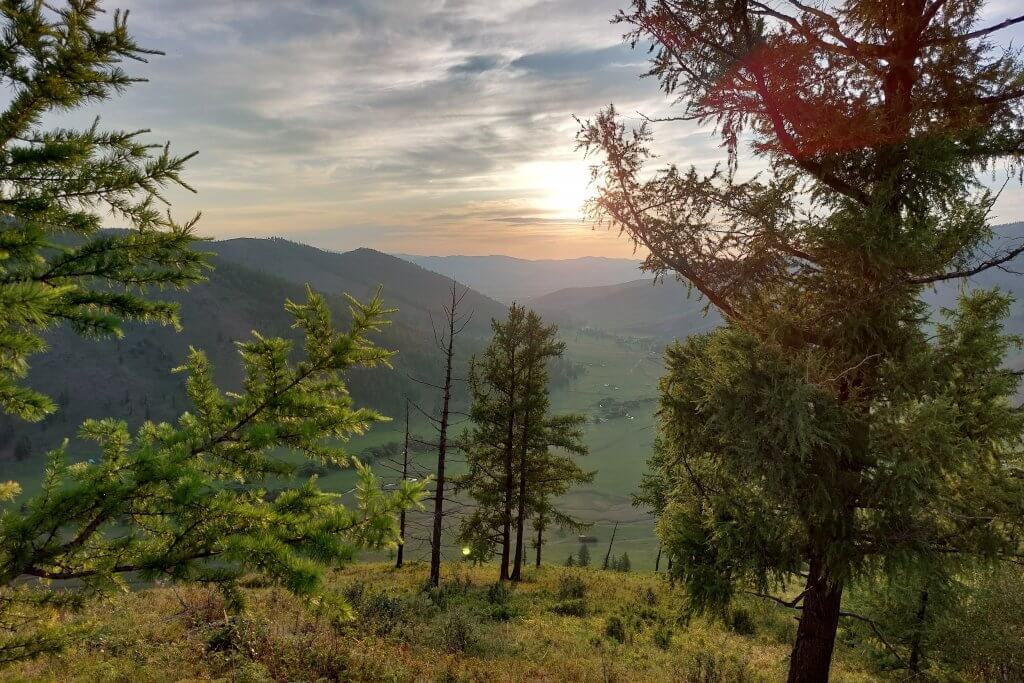
Steppe transition forest with Scots pine and Siberian larch. Udleg Mongolia
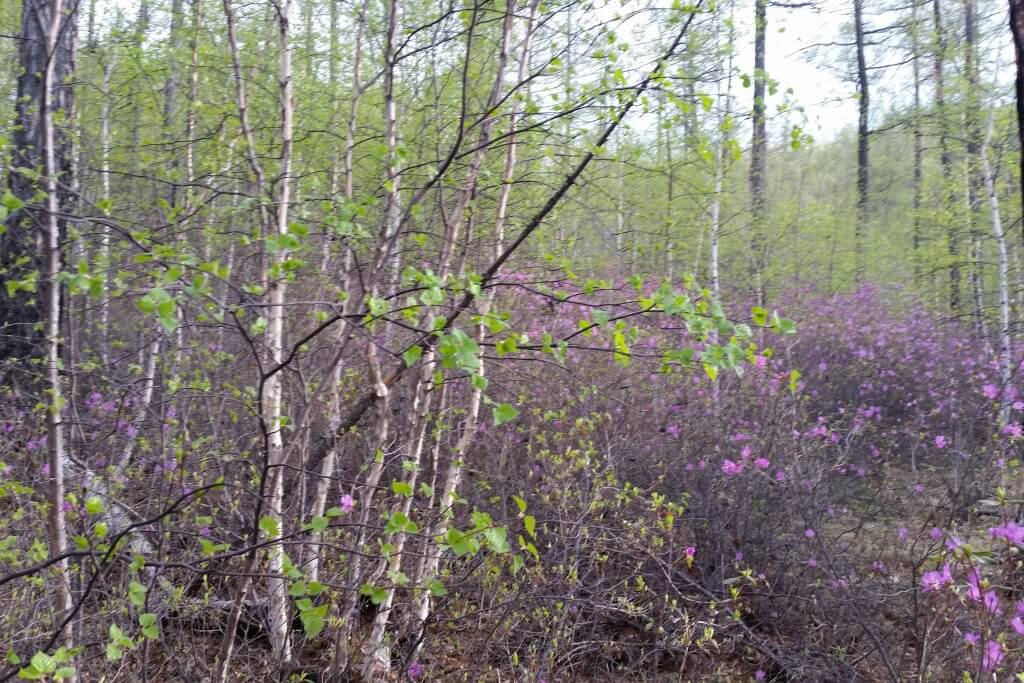
Siberian larch-White Birch forest with an understory of Rhododendron dauricum. Khenti mountains, Mongolia
The study, “Biodiversity effects under climate extremes intensify with aridity in grasslands but not forests,” was published in Nature Ecology & Evolution in 2026.
Contacts for more information: Prof. Douglas Godbold, Ass. Prof. Boris Rewald, Mycorrhiza Research Centre, Department of Forest Protection and Wildlife Management, Faculty of Forestry and Wood Technology, MENDELU, Brno; douglas.godbold@mendelu.cz,boris.rewald@mendelu.cz
This publication received funding from the European Union’s Horizon Europe project ERA Chair: Striving for Excellence in the Forest Ecosystem Research (EXCELLENTIA) (Grant Agreement No. 101087262).
Views and opinions expressed are, however, those of the author(s) only and do not necessarily reflect those of the European Union or European Research Executive Agency (REA). Neither the European Union nor the granting authority can be held responsible for them.
photo: Species rich dry Mongolian grassland with Eastern pasqueflower (Pulsatilla sp.) Khenti mountains, Mongolia
We work with cookies. Why? We analyse traffic and events on the website so that we can continually improve it. We also need cookies to provide social media features and to customise the content of ads. With consent, we may also pass some personal information to marketing platforms for marketing purposes.
About Cookies
Cookies are small text files in which websites can store information about your activity on the website and user preferences. They are used, for example, to make the browser remember your login, the consent settings in the cookie bar and, with your consent, various marketing and analytical information.
Necessary
These cookies ensure the basic technical functionality of the website, are necessary for the proper functioning of this website and are always active.
Analytical
We use third-party tools to track traffic. According to Google Analytics settings, personal data may also be sent.
Preferential
They store your personal settings, such as the language in which information is displayed, or allow you to offer content tailored to your needs.
Marketing
We are using third-part marketing cookies and your personal data to show you content customized to what you have viewed on our website. The content can be viewed elsewhere on the Internet. You can disagree with using of our marketing cookies but it will not reduce the extent of advertising offers you see, you will only see more of uninteresting and irrelevant ad to you.