Sunburn damage increases susceptibility of hornbeam trees to fungal infection
27. 8. 2026
Bark damage caused by intense sunlight may significantly increase the risk of fungal infection in European hornbeam (Carpinus betulus) growing in urban environments. An international study involving researchers from the Department of Forest Protection and Wildlife Management at MENDELU identified the fungus Eutypella decipiens as the causal agent of bark cankers and demonstrated that sunburn injuries provide entry points for infection.
European hornbeam has recently been promoted as a climate-resilient alternative to European beech in some parts of Europe because of its relatively high tolerance to drought and its adaptability to urban conditions. However, recent climate projections suggest that its distribution may nevertheless decline substantially under future climate scenarios. To understand the causes of the recently observed decline of hornbeam trees in urban areas, the research team investigated affected trees in Serbian cities and conducted pathogenicity experiments under controlled conditions.
“We wanted to determine not only which organism was responsible for the disease, but also why the infections consistently developed on specific parts of the tree trunks. Our field observations clearly showed that bark cankers occurred almost exclusively on the south and southwest sides of trees, where exposure to solar radiation is greatest.” The researchers found that sunburn injuries play a critical role in disease development. Thin bark exposed to prolonged solar radiation becomes overheated, leading to tissue death and cracking. These damaged areas subsequently serve as entry points for fungal infection,” said Dr. Slobodan Milanović.
Laboratory analyses confirmed that Eutypella decipiens was responsible for the characteristic spindle-shaped bark cankers. “Our results provide the first evidence that sunburn-induced bark injuries facilitate infection by Eutypella decipiens, which has a long history of occurrence on Carpinus betulus in many regions of Europe and North America. As climate change increases the frequency of heat extremes, abiotic stress and fungal pathogens may increasingly act together to threaten the health of urban trees,” explained Dr Ivan Milenković.
In greenhouse experiments, inoculated hornbeam saplings developed extensive bark necroses, with lesions more than ten times longer and nearly twenty-three times larger than those observed in non-inoculated control plants. More than half of the infected saplings showed dieback symptoms within six weeks, confirming the fungus as a highly aggressive pathogen of stressed hornbeam trees.
The study also represents the first report of Eutypella decipiens causing disease in urban hornbeam plantings in Serbia, extending the known occurrence of the pathogen beyond natural forest ecosystems. According to the authors, increasing heat stress may further weaken hornbeam trees, making them more susceptible to opportunistic pathogens. The findings also suggest that other thin-barked tree species growing under similar conditions may face comparable risks.
The researchers recommend protecting trunks of young and thin-barked trees from excessive solar radiation, particularly on south- and southwest-facing sides. Practical measures include painting stems or installing protective shading materials to reduce heat damage and lower the risk of infection. Regular monitoring, treatment of bark injuries and, where necessary, replacement of severely affected trees are also essential for maintaining healthy urban tree populations.
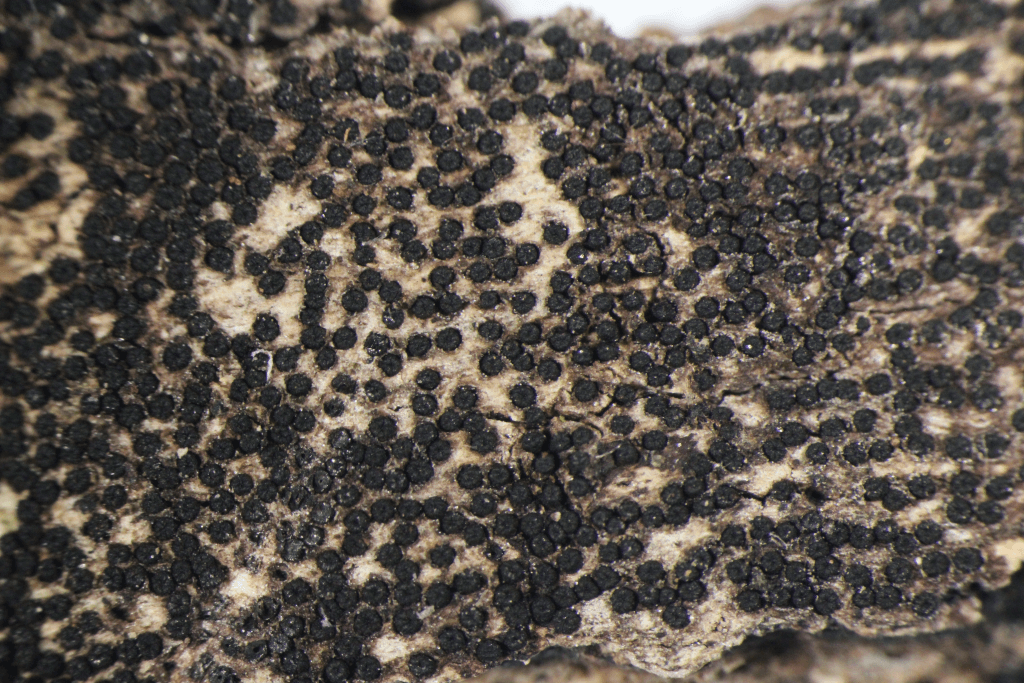
Eutypella decipines: upper view of perithecial apices
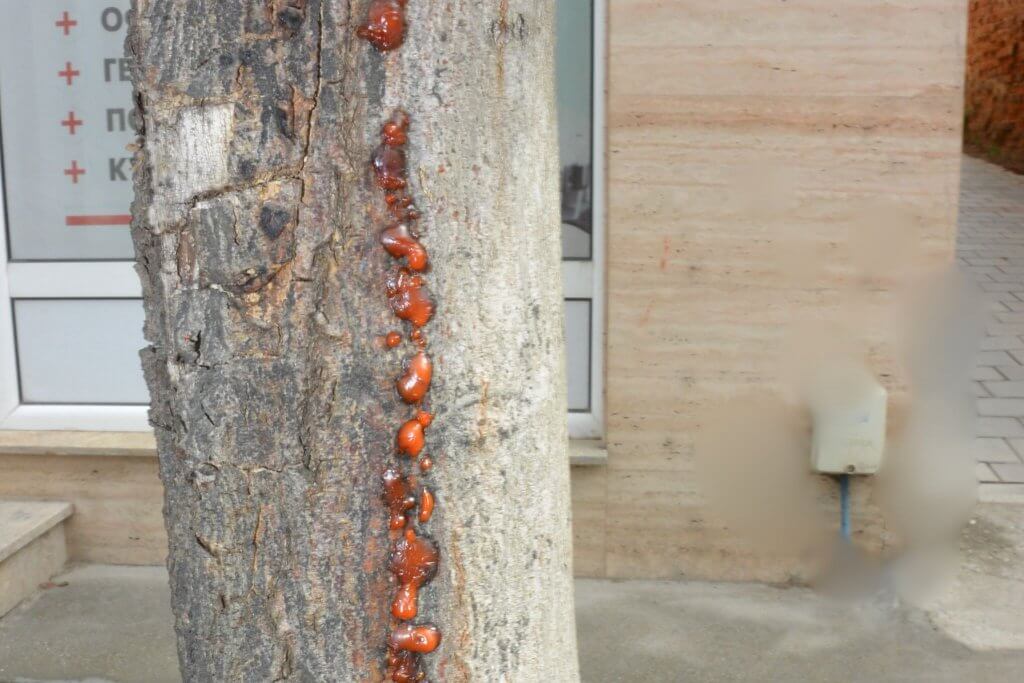
Eutypella decipines: sunburn-induced cankers and teleomorph fruiting bodies (perithecial stromata) on the stems
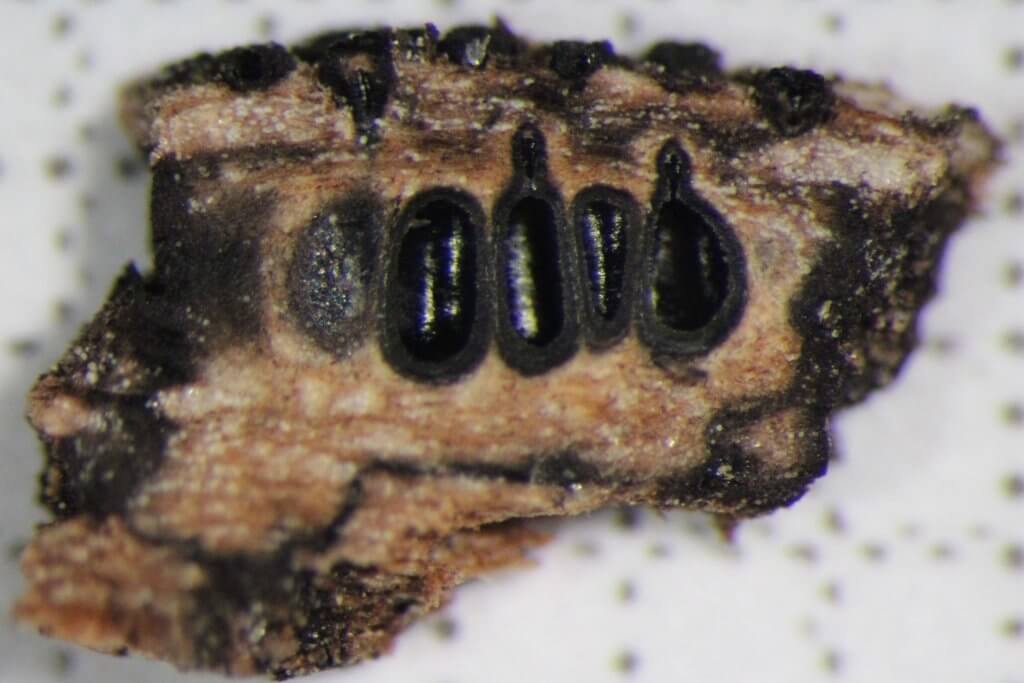
Eutypella decipines: cross section through the perithecial stromata
“Urban forests are increasingly exposed to multiple stress factors at the same time. Understanding how environmental stress weakens trees and interacts with pathogens will be essential for improving urban tree management under future climate conditions,” concluded Dr. Thomas Jung.
The researchers conclude that tree species considered climate-resilient should also be evaluated for their susceptibility to pathogens under future environmental conditions, where heat stress and disease are likely to act together.
Citation: Jovanović, D., Milanović, S., Jung, T., Janoušek, J., Trifković, M., Nagy, Z. Á., Horta Jung, M., & Milenković, I. (2026)
We work with cookies. Why? We analyse traffic and events on the website so that we can continually improve it. We also need cookies to provide social media features and to customise the content of ads. With consent, we may also pass some personal information to marketing platforms for marketing purposes.
About Cookies
Cookies are small text files in which websites can store information about your activity on the website and user preferences. They are used, for example, to make the browser remember your login, the consent settings in the cookie bar and, with your consent, various marketing and analytical information.
Necessary
These cookies ensure the basic technical functionality of the website, are necessary for the proper functioning of this website and are always active.
Analytical
We use third-party tools to track traffic. According to Google Analytics settings, personal data may also be sent.
Preferential
They store your personal settings, such as the language in which information is displayed, or allow you to offer content tailored to your needs.
Marketing
We are using third-part marketing cookies and your personal data to show you content customized to what you have viewed on our website. The content can be viewed elsewhere on the Internet. You can disagree with using of our marketing cookies but it will not reduce the extent of advertising offers you see, you will only see more of uninteresting and irrelevant ad to you.