Our research focuses on disciplines associated with forestry and tree conservation, including modern hunting techniques and wildlife management.
- We work on tree diseases in forests, outside forests and in urban environments.
- We propose adaptation and mitigation measures to reduce the impacts of global climate change
- We implement modern principles We implement modern principles in the management of game and other wildlife.
- Our research takes place Our research takes place in both state-of-the-art laboratories and directly in forest stands
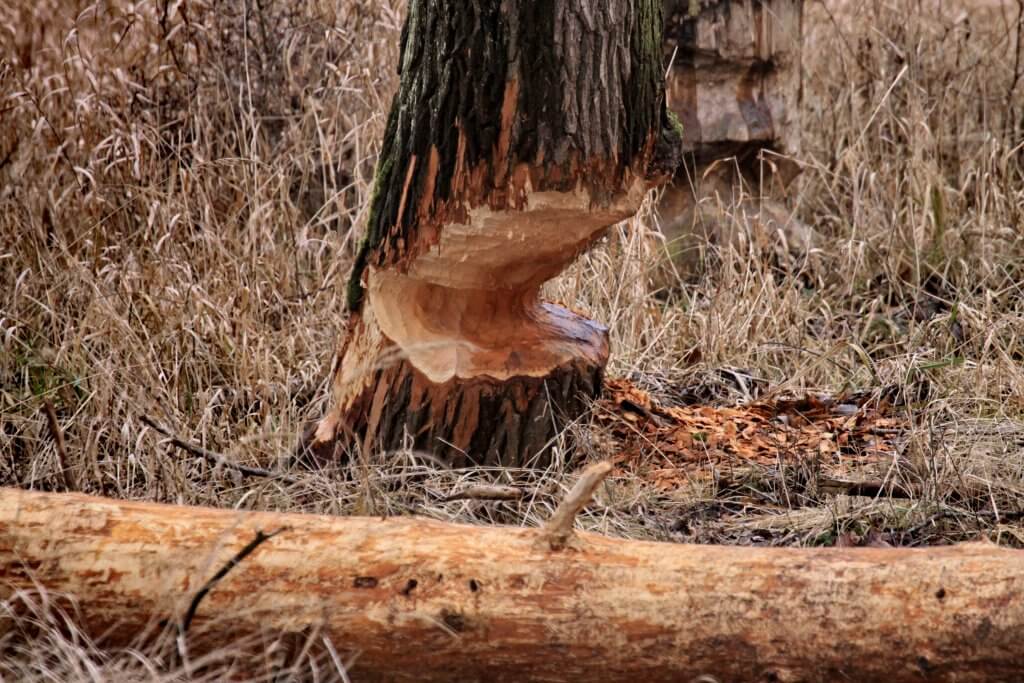
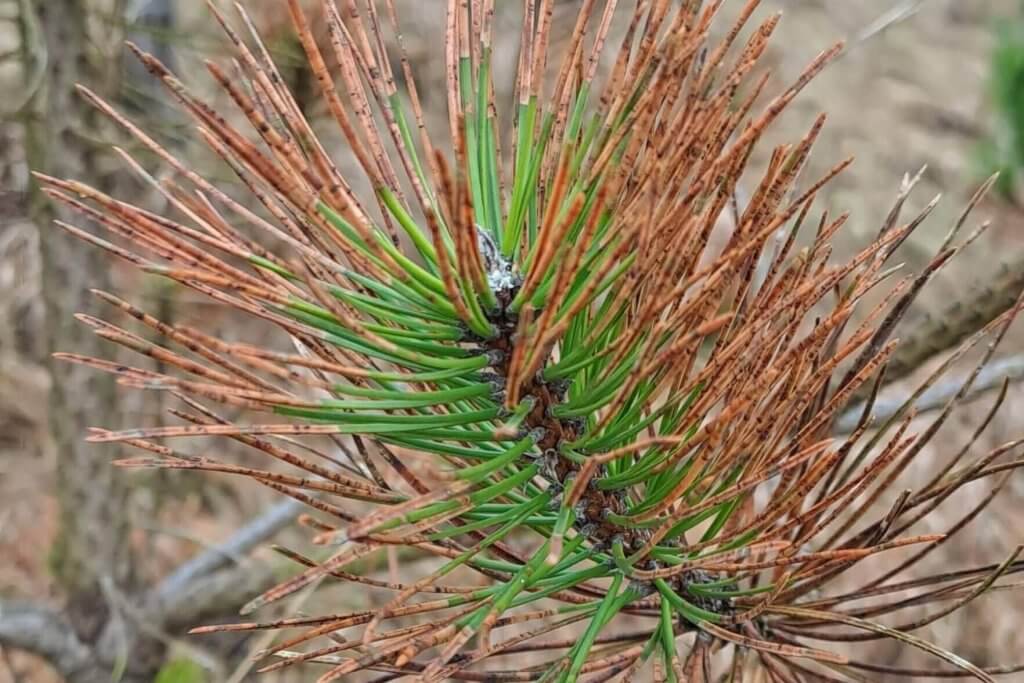
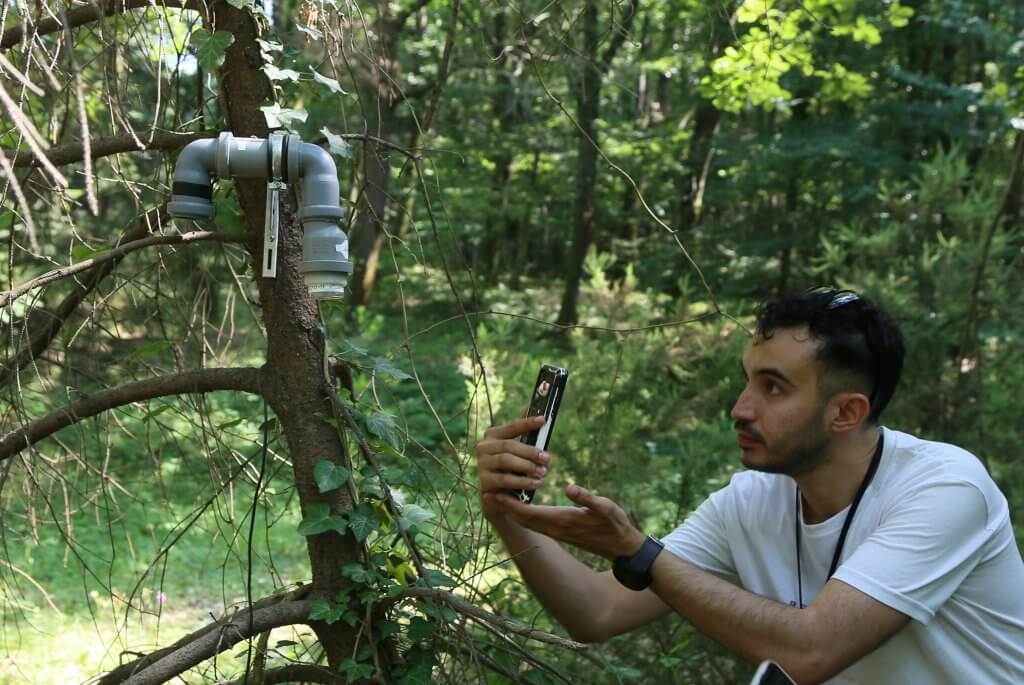
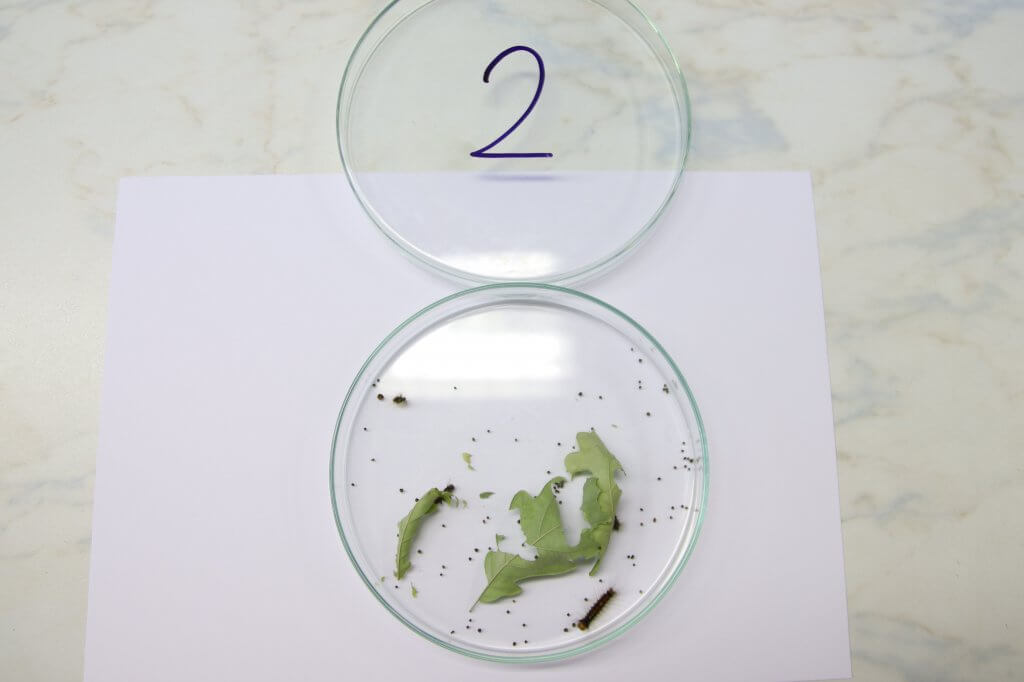
Our laboratories:
Mycorrhiza Research Centre
The centre conducts comprehensive research on plant–soil interactions, with particular emphasis on mycorrhizal fungi and their role in ecosystems. The faculty facilities enable processing of soil and root samples, isolation and cultivation of fungi, and analysis using modern ecophysiological and molecular biological methods to study biodiversity, function, and interactions in soil environments.
Entomology laboratory
The Entomology Laboratory is primarily intended for the sorting, identification, preparation, and storage of arthropod specimens. The laboratory is equipped with high-quality optical instruments for detailed observations at both macroscopic and microscopic levels. The facilities of the entomology laboratory also include a photoeclector station for large-capacity insect rearing. In addition, the laboratory is equipped with a dynamic olfactometer used for determining insect olfactory preferences.
Wildlife Management Laboratories
The laboratory comprises several specialized sections dedicated to the processing of biological material, ranging from sample preparation and storage to detailed analysis. It includes facilities for the initial processing of samples, including a necropsy table, a section for the analysis of blood, feces, and tissues, and a laboratory area equipped with homogenization, centrifugation, and pipetting technology. The facility is also equipped with field technologies for wildlife monitoring and research, such as camera traps, thermal imaging devices, acoustic recorders, GPS telemetry systems, and equipment for the safe capture of animals, while also serving as a center for practical training in wildlife management and gamekeeping.
Phytophthora Research Centre
The laboratory is used for comprehensive research on Phytophthora oomycetes. Research focuses on the biodiversity and taxonomy of Phytophthora, as well as their pathology— the pathogen-host interactions from the perspectives of ecophysiology and pathogenesis. The laboratory is equipped for the isolation and storage of cultures, microscopy (fluorescence microscope), molecular methods (conventional and quantitative PCR, electrophoresis equipment), root scanning, and other methods.
Our work has resulted in prestigious projects, publications and other outputs:
- SCAN-Danube (DRP0300848) – Strategies for Conservation of narrow-leaved ash populations (Fraxinus angustifolia) in the Danube basin – prof. Libor Jankovský (2025-2028)
- HORIZONT EUROPA, EXCELLENTIA – Centre for Forest Ecosystem Research at FFWT MENDELU – prof. Douglas Lawrence Godbold (2023–2028)
- HORIZONT EUROPA, PURPEST – Plant pest prevention through technology-guided monitoring and site-specific control – Dr. Thomas Jung (2023-2026)
- HORIZONT EUROPA, RESTORESEAS – Nature-based tools to protect and restore biodiversity – Dr. Thomas Jung (2022-2025)
- GS LČR (č. 148), Stromové injektáže biopesticidů jako efektivní metoda ochrany plodonosných dřevin v oborách – Dr. Petr Martinek (2026-2029)
- GS LČR (č. 145), Vliv lesnického hospodaření na saproxylický hmyz na území Lesní správy Luhačovice – Dr. Josef Kašák (2026–2029)
- Posilování kapacit veřejných vysokých škol v rozvojových zemích (26-PKVV-020), Stormwater-ready constructed wetlands for sustainable (waste) water retention in BiH – doc. Boris Rewald (2026–2026) (link)
- Horizon Europe (101182734), EuAsiaN-ROOT: Eurasian Network for Collaborative Research on Tree-Root-Mycorrhizal-Pathogen Interactions in Forest Soils – prof. Douglas Lawrence Godbold (2025–2028)
- SCAN-Danube (DRP0300848), Strategies for Conservation of narrow-leaved ash populations (Fraxinus angustifolia) in the Danube basin – prof. Libor Jankovský (2025-2028)
- Horizon Europe, EXCELLENTIA (GA No. 101087262), ERA Chair: Striving for Excellence in the Forest Ecosystem Research – prof. Libor Jankovský (2023–2028) (link)
- Horizon Europe, PURPEST (GA No. 101060634), Plant pest prevention through technology-guided monitoring and site-specific control – Dr. Thomas Jung (2023-2026)
- TAČR (SS07020021), Northern raccoon as a threat to native ecosystems in the Czech Republic: food requirements, habitat preferences, population potential and eradication options – Dr. Ondřej Mikulka (2024–2026)
- TAČR (SS71020002), Marine Forests of animals, plants and algae: nature-based tools to protect and restore biodiversity – Dr. Thomas Jung (2022–2025)
- TAČR (SS06020195), Veterinary and sociological aspects of the occurrence of wild animals in the urban environment as a basis for their effective management and decision-making by the state administration – Dr. Jakub Drimaj (2023–2025)
- OP VVV (CZ.02.1.01/0.0/0.0/ 15_003/0000453) Phytophthora Research Centre – prof. Libor Jankovský (2016–2023)
- INTERREG V-A (ATCZ 251) FORRISK – Cross-border risk management in forestry – doc. Petr Čermák (2021–2022)
- TAČR (SS05010070)
,– Spread of invasive parasite species and their devastating effects on the biodiversity of native ruminant species – Dr. Radim Plhal (2022–2024) - TAČR (TH04030444) – Tools and measures to minimise damage to the roots of nursery plants after planting caused by wild boar – Dr. Vlastimil Skoták (2019–2022)
- NAZV (QK1920184) – Technical and biological tools and procedures to prevent the African swine fever in population of free-ranging wild boar in the Czech Republic – prof. Jiří Kamler (2019-2021)
- TAČR (TL02000505) – Conditions for the harmonious alignment of biking in the forest environment with the interests of nature conservation and regional development – prof. Jiří Kamler (2019-2021)
- Horizont 2020 (no. 771271) HOMED – Holistic Management of Emerging forest pests – prof. Libor Jankovský (2018–2022)
- Horizont 2020 (no. 634179) Effective Management of Pests and Harmful Alien Species – Integrated Solutions – prof. Libor Jankovský (2015–2019)
- Horizont 2020 (GA No. 771271) HOMED – Holistic Management of Emerging forest pests – prof. Libor Jankovský (2018–2022)
- Horizont 2020 (GA No. 634179) Effective Management of Pests and Harmful Alien Species – Integrated Solutions – prof. Libor Jankovský (2015–2019)
- EEA Grants (EHP-CZ02-OV-1-019-2014) FRAMEADAPT – Frameworks and possibilities of forest adaptation measures and strategies connected with Climate change – doc. Petr Čermák (2015–2017)
Go to the University Information System.
Collaborations:
Our institutional and business partners can listed in the ‘About us’ section.
Doctoral studies
As part of their cuticulum, students in Doctoral programmes are engaged in both research and teaching. During their studies, their main tasks include the elaboration and defence of their dissertation, publishing activities related to their dissertation topic, possible professional practice abroad and passing the prescribed examinations.