After Dark, the City Belongs to Animals. Scientists Spent Three Years Mapping Their Hidden Life in Brno
4. 5. 2026
A three-year research project conducted by Mendel University in Brno (MENDELU), Masaryk University (MUNI), and SocioFactor, based on more than 150,000 camera trap images, hundreds of biological samples, and thousands of field records, confirms that cities represent a fully functional and systematically used ecosystem for dozens of wildlife species. The unique combination of biological, veterinary, and sociological approaches also demonstrates that coexistence between humans and animals in urban areas is not random, but follows clear spatial, temporal, and social patterns — and that its importance will continue to grow alongside ongoing urbanisation.
What makes the project unique is the integration of three key research areas: biological, veterinary-health, and sociological research. In the biological part of the study, scientists closely monitored the occurrence and behaviour of animals in the city using an extensive network of camera traps, night-time thermal imaging surveys, and field monitoring of animal traces and signs. This provided unique data on where, when, and how different species use the urban environment. “When we look at the city only through human eyes during the daytime, we miss a substantial part of reality. In fact, we share the city with a wide range of species that actively use it,” explained Jakub Drimaj, the project’s lead researcher.
The second part of the project focused on health aspects and risks. Researchers collected hundreds of biological samples from wild animals and analysed the presence of pathogens with the potential to be transmitted to humans or domestic animals. “Without understanding the health status of these populations, we cannot responsibly assess the real risks,” Drimaj explained.
The third pillar of the project consisted of sociological research examining how people perceive the presence of animals in cities. Analysis of public attitudes, media representation, and so-called mental maps showed that social perception often determines how cities approach the issue. “The integration of these three perspectives is essential. It is not enough to know where animals occur. We must also understand the risks and how the public perceives the situation. Only then effective management can be established,” the researcher emphasised.
Scientists began systematically collecting data in close cooperation with the Brno City Municipality, the Brno Municipal Police animal shelter, hunters, and other field partners during the very first year of the project. Over time, a unique database documenting animal occurrence in Brno was created. In the second year, the research expanded significantly, mainly thanks to a network of camera traps installed across the city. These captured more than 150,000 images and provided a detailed insight into how animals actually use urban space.
“Suddenly, we had a detailed picture of which animals move through the city, when, and where. It became clear that these are by no means isolated or accidental occurrences,” Jakub Drimaj said regarding the camera trap work. “The most frequently recorded species include the European hare, roe deer, red fox, marten, and wild boar. A significant proportion of the records also document interactions with humans, as animals commonly move in close proximity to residential areas.”
One of the key findings is the contrast between daytime and night-time activity. “During the day, the city appears calm. At night, however, it transforms into a dynamic environment where animals regularly move between locations. This is the key to understanding their behaviour. Night-time monitoring using thermal imaging and camera traps revealed that many species use the city regularly — simply outside human attention,” said Ondřej Mikulka from the Department of Forest Conservation and Wildlife Management.
The project also included extensive testing of the animals’ health status. Scientists analysed dozens to hundreds of samples from various species. At least one pathogen — most commonly parasitic or bacterial infections — was detected in approximately 30% of the animals. “The presence of pathogens in nature is common. It does not automatically represent a risk to humans. The crucial thing is to understand and manage these risks,” reassured Omar Šerý from the Department of Biochemistry at MUNI.
The project confirmed the researchers’ assumption that conflicts between humans and animals are not random. Every individual conflict has specific spatial and temporal causes. Experts agree that if they know where and when conflicts occur, they can prevent them. The data show, for example, frequent occurrences of wild boar in the outskirts of the city and foxes within urban neighbourhoods. In some cases, this involved property damage or unusual situations handled by the municipal police.
In the area of media representation and public attitudes, the analysis showed that people’s perceptions often determine how municipal authorities respond. “Without public understanding, management cannot succeed. It is not only about what is biologically correct, but also about what is socially acceptable,” said Jana Korečková, the researcher representing SocioFactor.
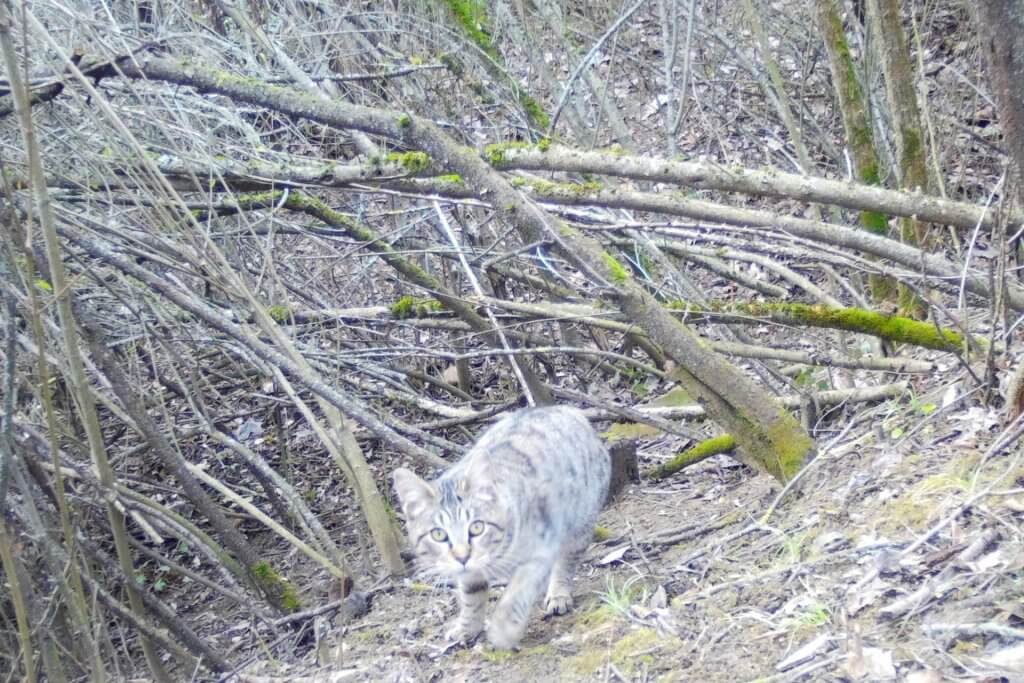
The most widespread species is, unsurprisingly, the domestic cat.
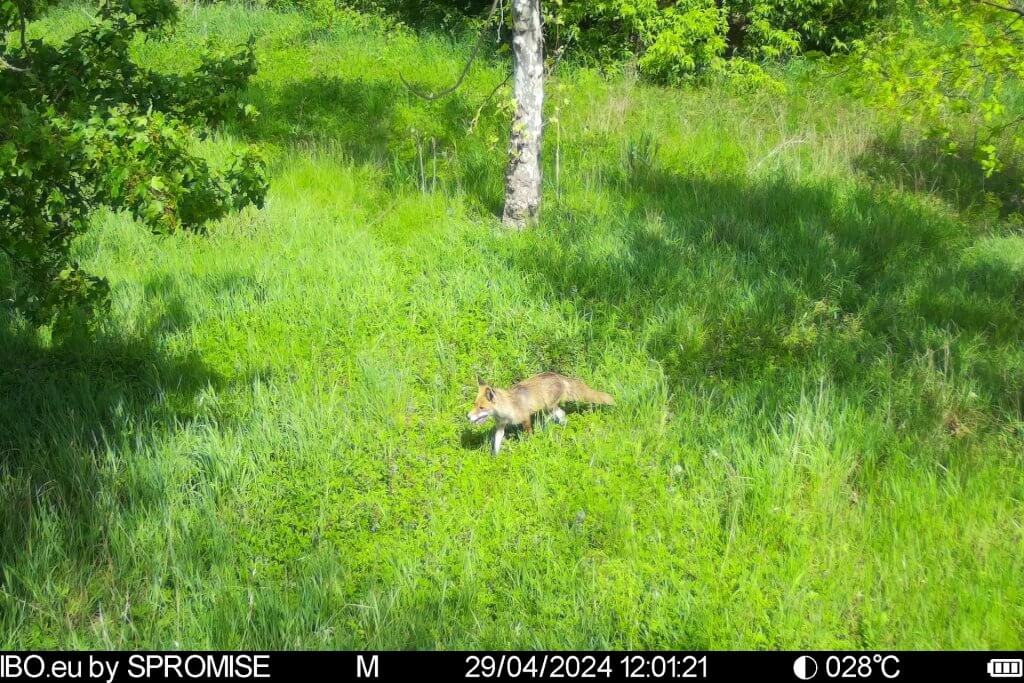
The red fox has adapted extremely well to urban life
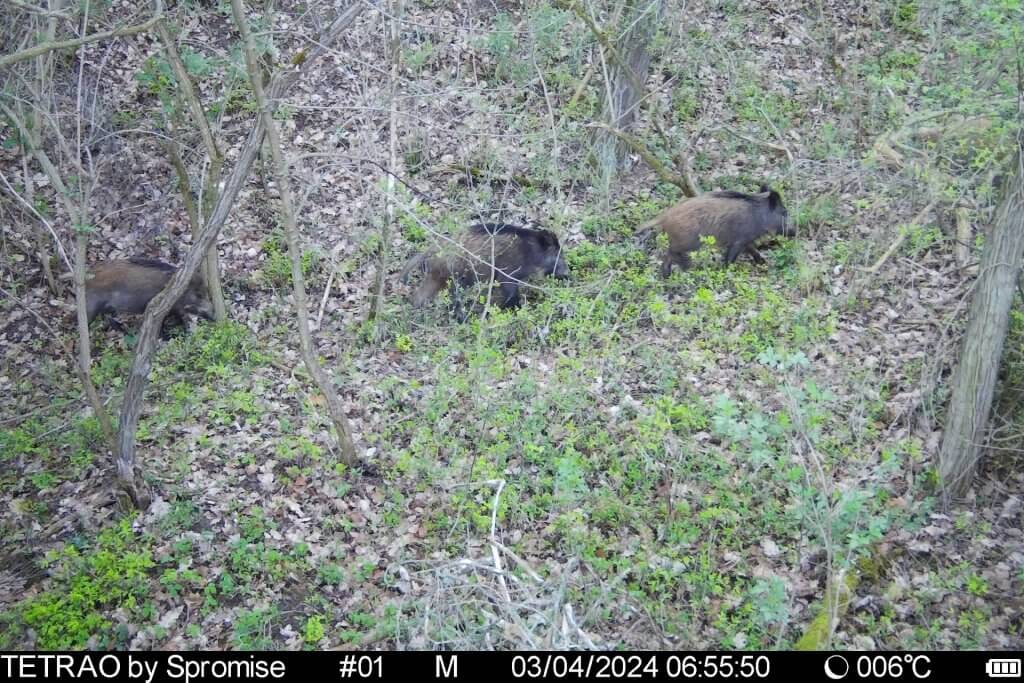
Wild boar appear in areas where urban development borders forest habitats.
The outcome of the project is not only scientific knowledge, but above all a set of practical recommendations — ranging from monitoring and population management to public communication. Based on the collected data, the researchers developed a proposal for a systematic approach that can be used by local authorities and state administration when dealing with the presence of animals in cities. “The biggest problem is not the presence of animals itself. The problem is that we lack sufficient data about them. Once we have the data, we can begin managing the situation instead of merely reacting to it,” concluded the lead researcher.
Contact for further information: Ing. Jakub Drimaj, Ph.D., Department of Forest Conservation and Wildlife Management, FFWT MENDELU, +420 774 683 672, jakub.drimaj@mendelu.cz
We work with cookies. Why? We analyse traffic and events on the website so that we can continually improve it. We also need cookies to provide social media features and to customise the content of ads. With consent, we may also pass some personal information to marketing platforms for marketing purposes.
About Cookies
Cookies are small text files in which websites can store information about your activity on the website and user preferences. They are used, for example, to make the browser remember your login, the consent settings in the cookie bar and, with your consent, various marketing and analytical information.
Necessary
These cookies ensure the basic technical functionality of the website, are necessary for the proper functioning of this website and are always active.
Analytical
We use third-party tools to track traffic. According to Google Analytics settings, personal data may also be sent.
Preferential
They store your personal settings, such as the language in which information is displayed, or allow you to offer content tailored to your needs.
Marketing
We are using third-part marketing cookies and your personal data to show you content customized to what you have viewed on our website. The content can be viewed elsewhere on the Internet. You can disagree with using of our marketing cookies but it will not reduce the extent of advertising offers you see, you will only see more of uninteresting and irrelevant ad to you.